Checking in on ice hockey: Comparing strategies and puck mishaps
Checking in on ice hockey: Comparing strategies and puck mishaps
The Excitement of Ice Hockey
Ice hockey is more than just a sport; its a thrilling display of speed, skill, and strategy. The combination of fast skating, strategic plays, and unexpected moments captivates fans and players alike. As teams battle it out on the ice, a myriad of strategies come into play, each aiming to outsmart the opponent while keeping the puck under control.
Understanding Offensive Strategies
Offensive strategies in ice hockey often define a teams ability to score goals. These approaches can range from a simple dump-and-chase to more elaborate set plays. The dump-and-chase strategy involves sending the puck deep into the opponents defensive zone, allowing players to chase after it. This tactic generates pressure and can create scoring opportunities.
Another popular offensive strategy is the cycle play. This involves players moving the puck around the boards, working to keep possession while forcing the defense to shift. By maximizing puck control, teams can exploit defensive weaknesses, leading to potential scoring chances. Quick passes and effective communication are key to executing these strategies successfully.
Defensive Strategies: Keeping the Puck Out
Just as important as offensive strategies, defensive tactics can make or break a game. The two primary defensive systems are man-to-man coverage and zone defense. In man-to-man coverage, defensemen closely guard their assigned opposing players. This approach requires tight marking and quick reaction to opponents’ movements.
Zone defense, on the other hand, focuses on covering specific areas of the ice rather than individual players. This strategy can prove effective in minimizing open shooting lanes and protecting the net. Understanding when to transition between these systems can be a game-changer, allowing teams to adapt based on the situation on the ice.
The Art of Puck Control
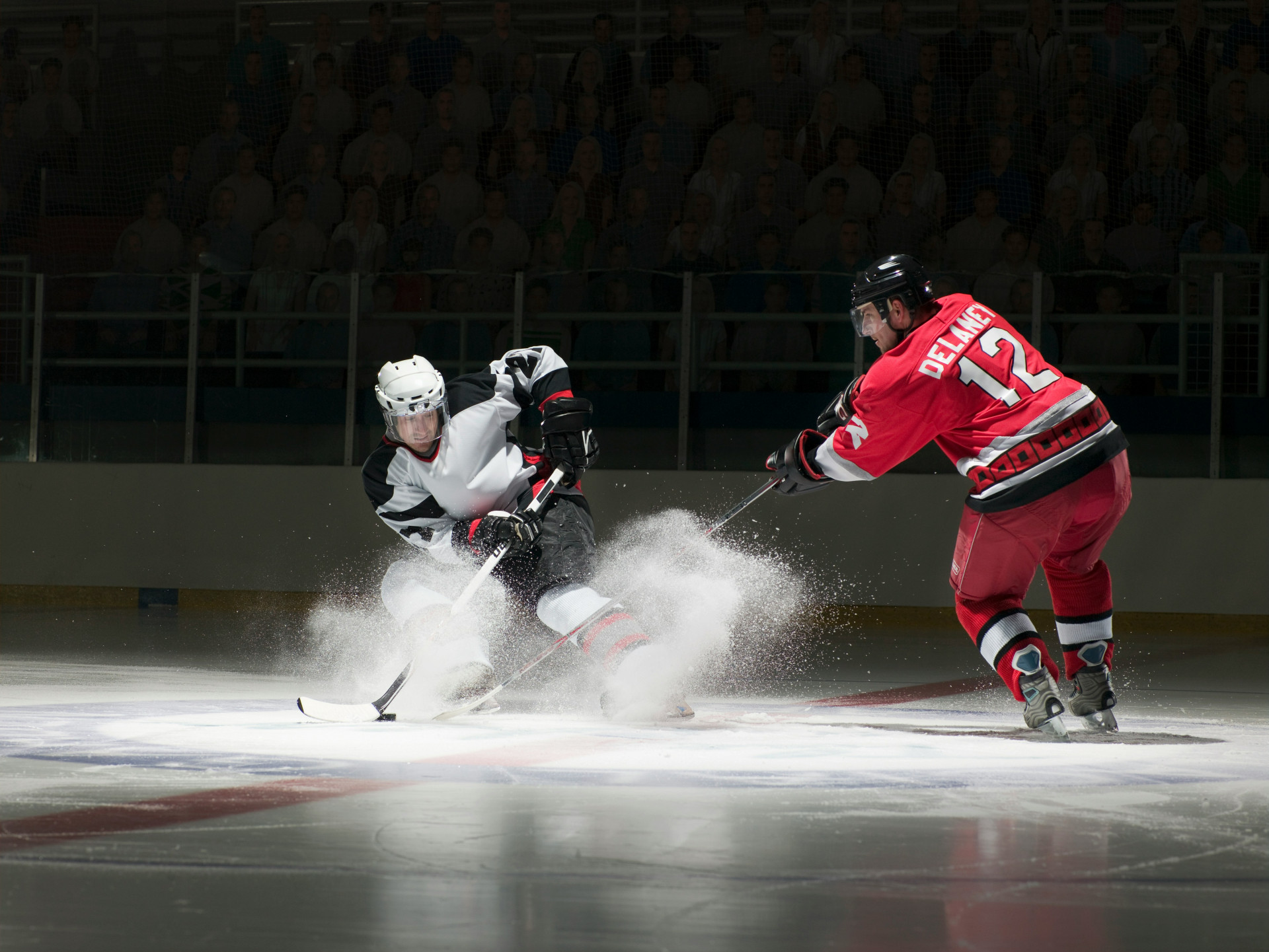
Puck control is an essential skill in ice hockey. Players constantly strive to maintain possession while navigating through opposing defenses. Effective puck handling involves a combination of skills, including stickhandling, passing, and shooting.
Stickhandling is crucial for maneuvering around defenders and finding open teammates. Players with exceptional puck control can create their own space and opportunities. Precision passing becomes vital in executing strategies, especially during fast-paced breakouts, where timing and accuracy can lead to quick transitions from defense to offense.
Puck Mishaps: The Unexpected Twists
Despite the best-laid plans, puck mishaps are an inevitable part of ice hockey. These unanticipated moments can range from a bad pass to a lost puck during a critical play. Understanding how to recover from these mistakes is essential for any team. Quick thinking and adaptability can often turn a blunder into a play-making opportunity.
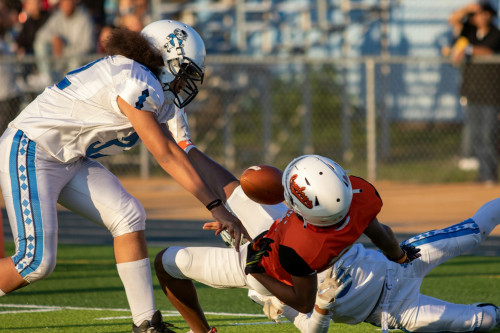
One common mishap is the fumbled puck. This can happen during intense pressure from opponents or simply due to a players miscalculation. Teams must be prepared to react swiftly, often relying on teammates to adjust their positioning and cover any areas left vulnerable.
The Role of Goaltenders
No discussion of ice hockey strategies would be complete without acknowledging the crucial role of goaltenders. Goalies are the last line of defense, tasked with stopping pucks from entering the net. Their ability to read plays, anticipate shots, and position themselves effectively makes them key players in any team strategy.
Goaltenders often employ strategic techniques to improve their chances of success. The butterfly technique, for instance, involves dropping to a kneeling position to cover lower parts of the goal while remaining ready for high shots. A well-prepared goaltender can greatly influence the outcome of a game by stopping opposing scoring chances.
Strategies in Transition: Offense to Defense
Transition plays are critical in ice hockey. The ability to shift from offense to defense (and vice versa) can determine the pace and control of the game. Effective communication and anticipating the flow of play are key to successful transitions.
During a turnover, quick thinking is essential. Players must be aware of the pucks location and adjust their positions to either regain control or protect their goal. A swift transition can catch opponents off guard, creating opportunities for counter-attacks and potentially leading to scoring chances.
Fan Impact on Strategy
The strategy in ice hockey is not just confined to the players on the ice. Fan engagement and support can influence how teams perform. A raucous crowd can energize players, providing an emotional boost that translates into improved performance. Teams often play differently in front of their home crowd versus on the road, adjusting their strategies based on the energy of their supporters.
In conclusion, ice hockey is a complex and dynamic sport where strategies constantly evolve. From offensive setups to the unexpected challenges presented by mishaps, the game relies heavily on the skill and awareness of its players. Whether managing the puck or adapting strategies in real time, ice hockey never ceases to engage and excite its audience.