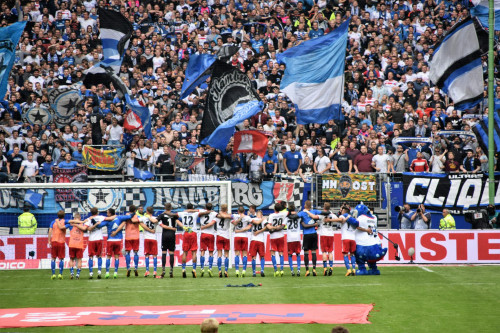
Legacy, loyalty, and La Liga: A closer look at contentious clubs
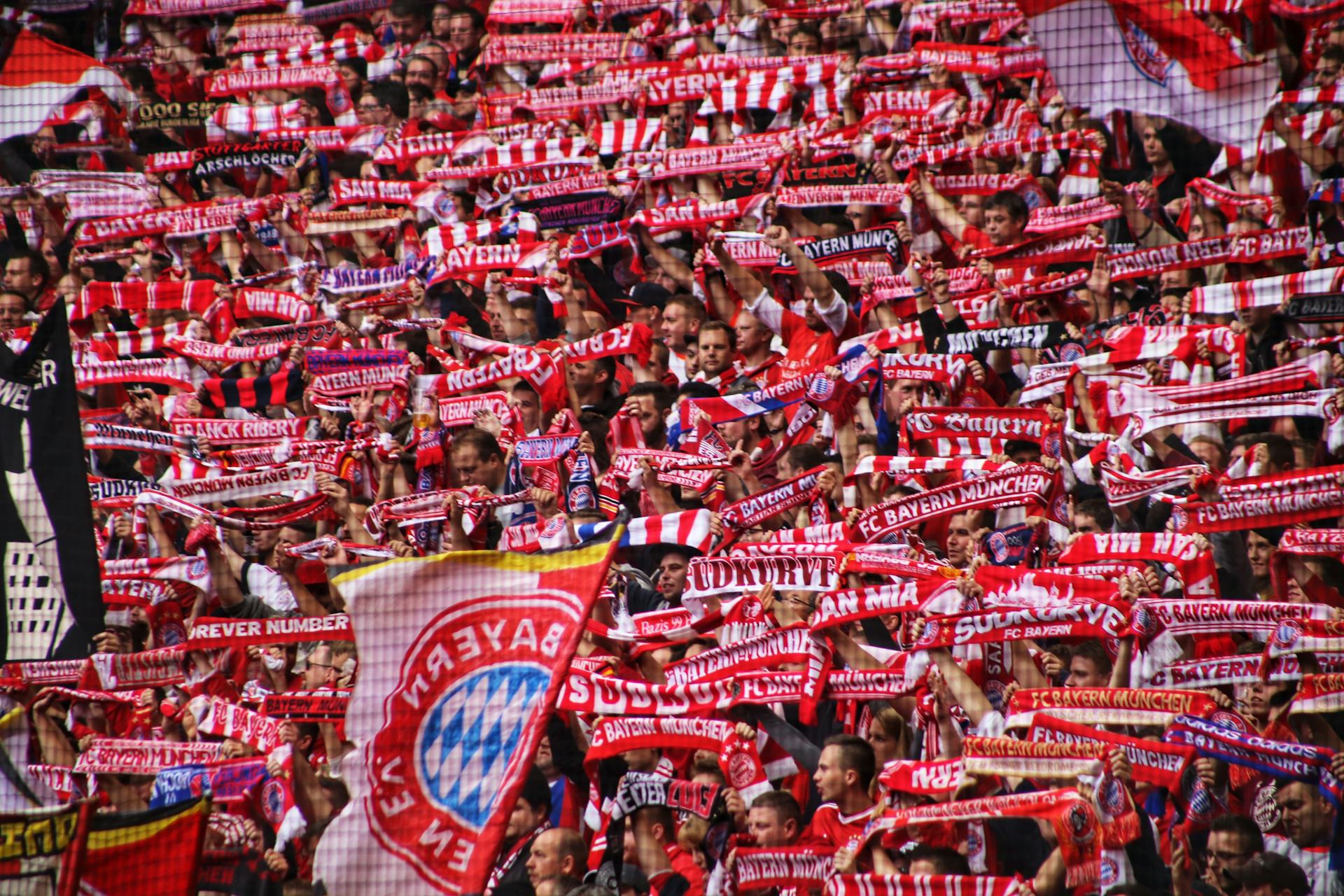
Legacy, loyalty, and La Liga: A closer look at contentious clubs
Spains La Liga is not just one of the world’s most-watched football leagues; it is a battleground of tradition, rivalry, and societal values. Within its storied history, several clubs have emerged as focal points of fervent loyalty, contentious legacies, and passionate fanbases. This article delves into some of these clubs, examining what makes them stand out in the rich tapestry of Spanish football.
FC Barcelona: The Catalan Flag Bearers
FC Barcelona is synonymous with sleek football, but its legacy transcends the pitch. The club has long been intertwined with Catalan nationalism, advocating for regional identity and pride. The motto “Més que un club” (More than a club) embodies this sentiment, reflecting its role as a symbol of Catalonia.
Throughout history, Barcelona has faced criticism and contention, especially during the Franco era, when Catalan culture was suppressed. Club legends like Johan Cruyff helped to reinvigorate a sense of identity and pride among fans, cementing Barcelona’s status as a cultural icon beyond mere athletic achievement.
Real Madrid: The Royal Representation
In stark contrast to Barcelona, Real Madrid represents the Spanish monarchy and central government. Founded in 1902, the club has amassed a global following, fueled by its victories and star-studded roster. However, Real Madrids legacy is not without contention.
The club has faced accusations of elitism and favoritism, with many viewing its status as a symbol of the establishment. This perception fuels the rivalry with Barcelona, as both clubs represent opposing socio-political ideologies within Spain.
Atletico Madrid: The Underdogs Spirit
Atletico Madrid, often overshadowed by its more glamorous neighbors, embodies the fighting spirit of the underdog. Founded in 1903, the club has built a reputation for resilience, often competing against the financial might of Barcelona and Real Madrid.
Atletico has had its share of triumphs, including multiple league titles and European successes. However, its identity is steeped in a history of struggle and loyalty from its dedicated fanbase. The clubs gritty style of play reflects the ethos of the citys working-class roots, making it beloved by many.
Sevilla FC: The Heartbeat of Andalusia
Sevilla FC is more than just Spains second most successful club in European competitions; it represents the culture of Andalusia. Founded in 1890, Sevilla has a rich history, steeped in regional pride and fervent support.
The clubs fans, known as “Los Nervionenses,” are known for their passionate support, creating an electrifying atmosphere at the Ramón Sánchez-Pizjuán Stadium. Sevillas disputes with local rivals, like Real Betis, further showcase the intense local rivalries that characterize Spanish football.
Valencia CF: The Unyielding Phoenix
Valencia CF has seen both glorious highs and disheartening lows throughout its storied history. Founded in 1919, the club has famously oscillated between success and financial turmoil. Valencias rise and fall serve as a narrative of resilience in the face of adversity.
The passionate fan base is known for its unwavering support, even amidst dire circumstances. The clubs fierce rivalry with Levante UD represents the age-old battle of identity and pride within the city, further fuelling the passion that characterizes La Liga.
RCD Espanyol: A Fight for Identity
RCD Espanyols existence is a testament to the complex identity struggles within Catalonia. Unlike Barcelona, who proudly symbolizes Catalan identity, Espanyol has a more complicated relationship with regional pride and Spanish nationalism.
Founded in 1900, the club has faced the challenge of competing for recognition alongside its more illustrious neighbor. Yet, Espanyols loyal fanbase continues to cultivate a strong community, embracing their identity as the “other” club of Catalonia. Their struggles mirror those of countless underrepresented teams in football but are marked by pride and persistence.
Conclusion
The landscape of La Liga is dotted with clubs that evoke strong emotions, sentiments of loyalty, and conflict. Each club carries a unique legacy, shaping its supporters identities and reflecting the complex socio-political tapestry of Spain. In this storied league, the competition extends beyond the pitch, intertwining with issues of heritage, identity, and loyalty over generations.