Super League showdown: How revenue sharing reshapes soccers landscape

Super League showdown: How revenue sharing reshapes soccers landscape
The Emergence of the Super League
The concept of a Super League has sparked intense debate in the soccer world, proposing a reorganization of competitive structures. This initiative primarily aims to enhance financial stability for clubs, attracting top talent and improving global visibility. As the idea gained traction, it also highlighted the pressing need for an equitable revenue-sharing model within the sport.
Understanding Revenue Sharing
Revenue sharing in soccer refers to the distribution of earnings from television rights, sponsorships, and matchday revenues amongst participating clubs. Traditionally, the wealth gap between elite clubs and smaller teams has widened, causing destabilization within leagues. By implementing a revenue-sharing system, promoters of the Super League hope to create a more balanced financial ecosystem.
The Impact of Television Rights
One of the primary income sources for soccer clubs is broadcasting rights. Major leagues like the Premier League generate billions from television deals, but the distribution of these funds is often unequal. Larger clubs, due to their popular viewership, receive a lions share of earnings, leaving smaller clubs in precarious financial situations.
The Super League proposes a more equitable approach, aiming to share broadcast revenues equally among all participating teams. This could allow teams from lower divisions to invest in infrastructure, scouting, and player development, ultimately enhancing competition across the board.
Fan Reaction and Cultural Ramifications
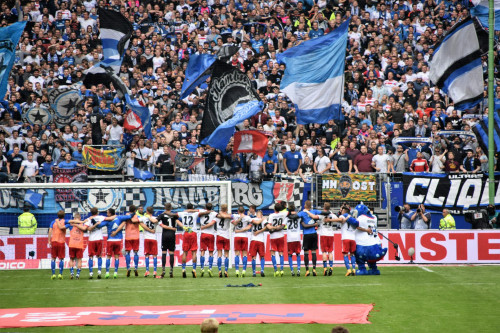
The proposed Super League ignited widespread backlash from fans, who felt it threatened the tradition and integrity of the game. Concerns arose regarding how revenue sharing would affect local clubs. Would smaller teams still retain their loyalty and focus on developing homegrown talent?
Many supporters voiced apprehension that financial parity could dilute the cultural significance of soccer. Theres a fear that a more commercialized approach might overshadow the sports authenticity and grassroots essence. Revenue sharing must, therefore, consider both economic viability and fan culture.
Lessons from Other Sports
Revenue sharing is not a new concept in professional sports. Leagues like the NFL and NBA have successfully implemented such systems, resulting in sustained competitiveness and enhanced spectator interest. These models could serve as blueprints for soccers Super League.
By learning from these leagues successes, soccer authorities can tailor revenue-sharing initiatives that promote financial health while preserving competitive integrity. Additionally, these benchmarks emphasize the necessity of transparency and accountability in revenue distribution.
Challenges Ahead for Implementation
Implementing a new revenue-sharing framework within the Super League is fraught with challenges. There are issues regarding the governance structure that need to be addressed. Who manages the funds? How are decisions made? The resolution of these matters is crucial for establishing trust among participating clubs.
Furthermore, widespread acceptance from all stakeholders, including fans, players, and officials, remains an obstacle. The fear of loss of competitive balance must be acknowledged, with systems put in place to ensure all teams feel they have a stake in the leagues success.
Future Implications for Global Soccer
The dialogue surrounding the Super League and its revenue-sharing model invites broader discussions about the future of global soccer. Will this shift lead to greater financial equality or exacerbate the wealth divide? Observers believe it could redefine how clubs operate worldwide, impacting youth academies, transfer markets, and international tournaments.
As soccer continues to evolve, the outcome of the Super League initiative will be monitored closely by leagues across the globe. The choices made today will set precedents for future generations of the sport, influencing the balance of power in soccer for years to come.