Improvement Without Victory: How to Assess a Horse’s Form Development

Improvement Without Victory: How to Assess a Horse’s Form Development
In horse racing, success isn’t always measured by wins. A horse can be improving even when it doesn’t pass the post first. For trainers, owners, and punters alike, recognising signs of progress is crucial – those subtle indicators that a horse is edging closer to peak condition. Assessing form development requires attention to detail, an understanding of race dynamics, and the ability to interpret performances in context. Here’s how to spot improvement, even when the results don’t tell the full story.
Look Beyond the Result
A finishing position alone rarely tells the whole tale. A fifth place can be far more encouraging than a second, depending on how the race unfolded and the quality of the opposition. That’s why it’s essential to look beyond the numbers.
Ask yourself:
- What was the race tempo like?
- Did the horse race wide or without cover?
- Was the ground soft, heavy, or quick?
- How strong was the field compared with previous runs?
A horse that runs well in a strongly run race against better rivals may be showing significant progress, even without winning. The key is to judge the performance relative to the circumstances.
Læs også:
Watch the Finish
One of the clearest indicators of improving form is how a horse finishes its race. A strong late run shows both physical fitness and mental determination. Focus on the final furlong or two – is the horse finding extra, or is it fading?
In flat racing, look at whether the jockey has to drive the horse hard or if it’s finishing willingly under its own momentum. In jumps racing, note how the horse travels and jumps late on – a fluent, energetic finish often signals that the horse is thriving. A powerful finish from a poor position is a classic sign that a horse is on the up.
Consistency and Rhythm
Form development is also about consistency. A horse that used to fluctuate in performance but now runs solidly each time is often approaching its best. You’ll see it in how it maintains pace, responds to the rider, and stays focused throughout the race.
Trainers often say a horse is “coming forward with each run”. That means it’s gaining strength and experience, particularly true for younger horses still learning their trade. Consistent, honest efforts are often the prelude to a breakthrough performance.
Physical Signs of Progress
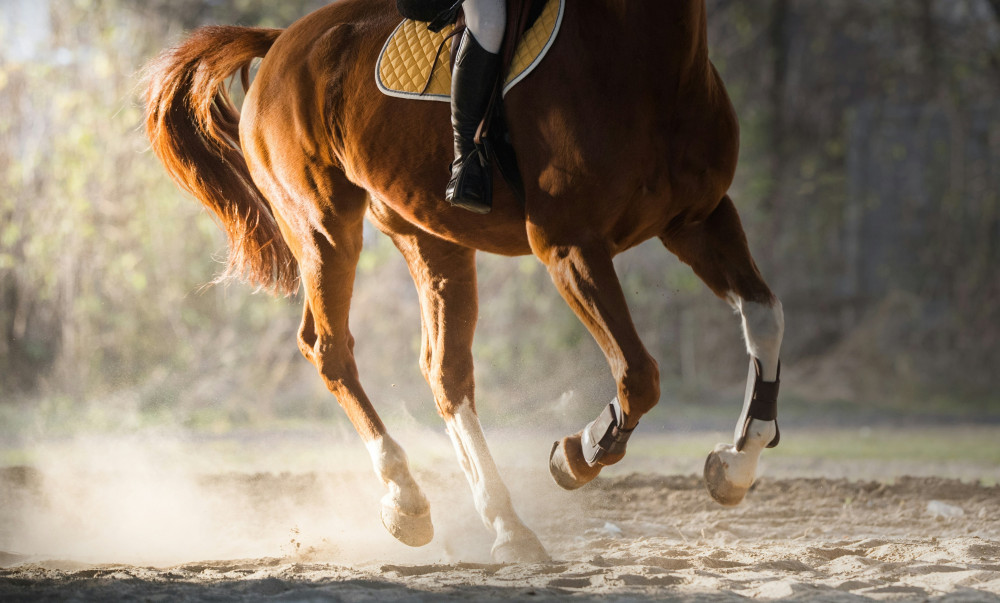
You can often see improvement in a horse’s physical condition. A horse in form will have a glossy coat, well-defined muscle tone, and move freely. It will look alert but relaxed in the parade ring and show energy without agitation.
If you follow horses over time, you’ll notice how they change after a break or recovery from injury. A horse that once looked heavy or disinterested but now moves with purpose and confidence is likely heading towards top form. These visual cues can be as telling as any statistic.
The Race Tells the Story
To truly understand a performance, analyse how the race was run. Did the horse have to work hard from a wide draw? Was it trapped behind tiring rivals? Did it meet interference or lose momentum at a crucial stage? These factors can explain why a horse didn’t win – and reveal that it actually ran a very good race.
Many experienced punters rewatch races to spot these details. A horse that finishes full of running but never gets a clear run is often one to note for next time, especially if it’s likely to get a better draw or easier opposition.
Trainer Insights
Trainer comments before and after races can offer valuable clues. When a trainer says a horse “needed the run” or “is improving with each outing”, it often signals that better performances are expected soon. Pay attention to remarks about a horse’s appetite, attitude, and recovery – these are often the best indicators of how close it is to peak condition.
When Progress Turns into Victory
Spotting improvement isn’t just about understanding horses – it’s about predicting when they’ll hit their peak. A horse that’s been edging forward over several starts will eventually get the right conditions, the right trip, and the right race. That’s when the win comes. For the observant follower, the real value lies in recognising that progress before it becomes obvious to everyone else.
Conclusion: Winning Isn’t Everything
In racing, victory is the visible goal, but form development is the hidden story. Those who learn to read a horse’s improvement gain a deeper understanding of the sport – and often a valuable edge, whether as a punter or an enthusiast. Improvement without victory isn’t failure; it’s a sign that something is building. And in horse racing, the ability to see that coming is what separates the seasoned eye from the lucky guess.
Læs også: