Title Fights, Comebacks and Context – How to Improve Your Boxing Analysis

Title Fights, Comebacks and Context – How to Improve Your Boxing Analysis
Analysing boxing is about far more than spotting who punches hardest. The best insights come from understanding technique, tactics, mentality and historical context. Whether you follow the sport as a fan, write about it, or use your knowledge to assess betting odds, a deeper approach will give you a clearer picture of what’s really happening in the ring – and why. Here’s a guide to sharpening your boxing analysis, with a focus on title fights, comebacks and context.
Understand the meaning of the fight – not just the result
A title fight is never just another bout. It often represents the culmination of years of preparation, rivalry and strategic positioning. When analysing a title fight, ask yourself: What’s at stake for each fighter?
A challenger may be hungry and willing to take risks, while a champion might be fighting to preserve status and avoid mistakes. That difference shapes the tempo, tactics and psychological dynamics of the contest.
Also consider how the fight fits into the bigger picture of the division. Is it a clash between generations, a meeting of contrasting styles, or a bout that could open the door to new matchups? The better you understand the context, the more accurate your assessment will be.
Læs også:

Read between the lines of comebacks
Comebacks are a staple of boxing – and often surrounded by emotion and expectation. But not all comebacks are created equal.
When a former champion returns, it’s vital to look at why and how. Is it a genuine sporting attempt to regain form, or a financially motivated venture? Consider age, past injuries, the quality of the training camp and the level of opposition.
A successful comeback requires more than experience – it demands adaptation to a new pace and a new generation of fighters. This is where your analysis can stand out: by judging whether the boxer’s style still fits the demands of the modern game.
Technique and tactics – look beyond the punches
Many viewers focus only on the big shots, but the best analyses pay attention to what happens before and after them. How does the boxer manage distance, footwork and rhythm? How do they respond to pressure?
A good way to improve your technical understanding is to rewatch fights in slow motion and focus on one element at a time – for example, the jab, defence or ring movement.
Also compare how different trainers influence a fighter. A new coach can change everything from tempo to strategy, and that can be decisive in a close contest.
Use statistics with care
Numbers can be useful, but they need context. Punch accuracy, knockdown rates and output per round tell part of the story – but not all of it.
A boxer with a low punch count can still dominate if they control the pace and land with precision. Conversely, high activity can mask inefficiency.
Use statistics to support your observations, not replace them. It’s the combination of data and a trained eye that produces credible analysis.
The context outside the ring
Boxing is as much about psychology and preparation as it is about physical combat. A fighter who has changed promoter, struggled with weight, or faced personal challenges may perform differently than expected.
That’s why you should always look into the background of a fight: the length of the training camp, sparring partners, travel distance and media pressure. Even small factors can tip the balance in a close contest.
Understanding the context outside the ring is often what separates a surface-level opinion from a deep analysis.
Learn from history
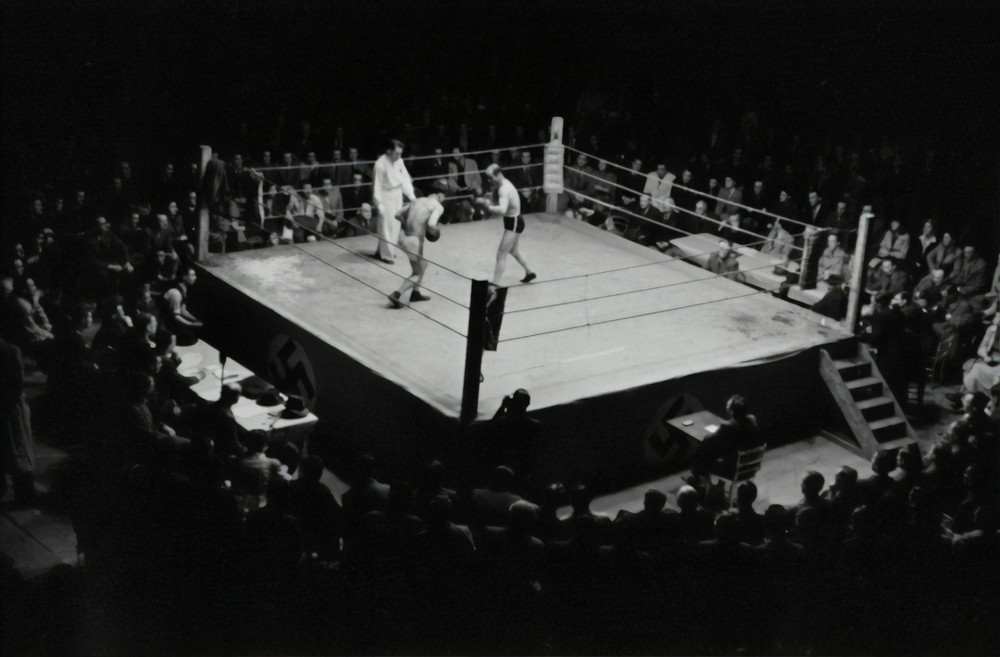
Boxing has a rich history, and many modern fights echo earlier eras. By comparing styles and strategies across time, you can spot patterns that repeat themselves.
How did past champions handle similar challenges? Which tactical choices led to success – and which to defeat? History gives you an analytical edge because it shows how the sport evolves, yet also how it circles back to familiar themes.
From viewer to analyst
Improving your boxing analysis ultimately means watching the sport with curiosity. Don’t just ask who won – ask why. What made the difference? What adjustments were made along the way?
The more you train your eye for detail, the more you’ll see that boxing is a game of chess moves, not just punches. And that’s where the deepest understanding – and the best analysis – truly begins.
Læs også: